Our Story
Ray's Heating & Cooling
Should I be worried about my furnace the first time I turn it on?
When you first activate your furnace after a period of disuse, it's common to detect a burning odor. This is typically due to dust that has settled on the heat exchanger and other furnace components during the off-season. As the furnace heats up, this dust burns off, causing the smell. However, if the odor persists or you notice any unusual noises, it's advisable to contact our service team for an inspection. To schedule an appointment for a furnace install in Champaign, IL, be sure to get in touch with us at Ray's Heating & Cooling!Do I need to replace my AC when installing a new furnace?
Replacing your air conditioning system is not always necessary when you hire us for furnace install in Champaign, IL. If your current air conditioner is functioning properly and efficiently, then it can often be integrated with the new furnace installation.Can I close my registers if I'm not using a room?
It's not recommended to close registers in unused rooms. Your HVAC system is designed to distribute air evenly throughout your home. Closing registers can disrupt this balance, potentially leading to reduced airflow and system efficiency, similar to the effects of a clogged air filter. To ensure all parts of your HVAC units are working properly, including the heat pump in Champaign, IL, be sure to give us a call!How often should I have my HVAC system checked?
Based on our experience, for optimal performance and longevity, it's recommended to have your HVAC system professionally inspected twice a year. These inspections should typically be done before the peak heating and cooling seasons. Get in touch with us to schedule an inspection for your heat pump in Champaign, IL.How long will my HVAC system last?
With regular maintenance and proper care, a typical HVAC system can be expected to operate efficiently for approximately 12 to 15 years, according to Home Guide. When you're ready to get a new unit, get in touch with us for a heating install in Champaign, IL.Do I need a bigger furnace?
If you're experiencing issues with your home's comfort levels, then it may be worth having your current furnace evaluated. Our technicians can assess whether your existing unit is appropriately sized for your space and recommend solutions if necessary. Please contact us to schedule an assessment to see if you should schedule a furnace install in Champaign, IL.How much does a full HVAC system replacement cost in Champaign-Urbana?
The cost of replacing an HVAC system can vary depending on the size of your home, the equipment needed, the efficiency level you choose, and the amount of work required for the installation.
For homes around 1,000 square feet, a basic furnace and air conditioner replacement may start around $8,500. Replacing only the air conditioner or only the furnace may start around $5,000.
For homes around 1,500 square feet, a complete entry-level HVAC system may start around $9,400, while furnace-only or AC-only replacements may cost around $5,500.
For homes around 2,000 square feet, installing a new furnace and air conditioner system may start near $9,800. Replacing just one component may start around $5,700.
These prices are general estimates and may vary depending on the condition of the existing system. Factors such as ductwork, venting, electrical components, refrigerant lines, drainage, and indoor comfort concerns can all affect the final cost.
At Ray's Heating & Cooling, every system is inspected before pricing is provided, so homeowners receive accurate recommendations and clear options based on their home’s specific needs.
Why are HVAC quotes so different from each other?
HVAC quotes can vary because different companies may be quoting different equipment, installation standards, and included services.
When comparing quotes, the biggest differences are often the equipment brand, efficiency rating, single-stage, two-stage, or variable-speed systems, included accessories, labor warranty coverage, permit costs, and the amount of labor time included for the installation.
The brand itself is usually not the biggest factor. Most major manufacturers offer similar efficiency levels and equipment options. What matters more is whether the systems being compared are actually equivalent. For example, a 96% two-stage furnace should not be compared to an 80% single-stage furnace. The same applies to air conditioners, where a standard single-stage system is very different from a higher-efficiency two-stage or variable-speed system.
Included accessories can also affect pricing. Some contractors may reuse older components such as the line set, AC pad, electrical whip, disconnect, filter setup, or thermostat. While this can lower the quote, it may also mean the installation is not fully updated. At Ray’s, we generally include the proper accessories in the quoted price because we believe a new system should be installed with reliable components whenever possible.
Labor warranty coverage is another factor that can change pricing. Some companies include only a short labor warranty, while others offer extended manufacturer-backed or third-party labor warranties. If a quote includes a long-term labor warranty, it is important to understand who provides the coverage, what is included, and how much of the total cost is tied to that warranty.
Labor time is often one of the biggest differences between quotes. A furnace and AC replacement can sometimes be completed in a single long day, but that may not allow enough time for detailed installation work, cleanup, adjustments, and proper system testing.
At Ray's Heating & Cooling, we usually schedule two full days for a complete furnace and AC installation. This allows our installers the time needed to complete the job carefully and properly check the system before the installation is finished.
The best way to compare HVAC quotes is to look closely at what is included, not just the final price.
Is the lowest HVAC quote a bad idea?
Not always. A lower HVAC quote is not automatically a bad option, and a higher quote is not automatically the best choice.
The most important thing is choosing a reputable company with strong reviews, clear communication, and a team you feel comfortable having in your home. Price matters, but it should not be the only factor considered.
That said, an unusually low quote can sometimes be a warning sign. It may mean the contractor is leaving out important items, rushing the installation, reusing older accessories, offering little or no labor warranty, skipping proper system testing, or lacking the experience needed to quote the project accurately.
A lower quote may also mean the systems being compared are not equivalent. One company may be quoting a basic installation with reused components, while another may include a new line set, equipment pad, disconnect, electrical whip, filter setup, thermostat, permits, and startup testing.
At Ray's Heating & Cooling, the goal is not to be the cheapest option. The focus is on being transparent about what is included and allowing enough time for the installation crew to complete the job properly. A new HVAC system is a significant investment, and the quality of the installation plays a major role in long-term performance.
The best approach is to ask each company what is included in the quote, what additional costs may apply, how long the installation will take, and what support is available if problems arise after the job is complete.
What should be included in an HVAC quote?
A good HVAC quote should clearly explain the equipment being installed, what is included with the installation, and the options available to the homeowner.
At a minimum, the quote should include the equipment brand and identify the type of system being installed, such as a furnace, air conditioner, coil, or heat pump. It should also list the equipment size, efficiency rating, and whether the system is single-stage, two-stage, or variable-speed. These details help homeowners understand exactly what they are purchasing without needing to interpret technical model numbers.
The quote should also include the accessories included with the installation. This may include the thermostat, filter cabinet, line set, AC pad, disconnect, electrical whip, drain work, venting, and other materials required to complete the job. These details are important because some quotes may appear lower simply because certain items are not included.
A complete HVAC quote should also explain the labor warranty, parts warranty, permits, taxes, financing options, and any available rebates or incentives.
The best quotes also provide multiple system options. Some homeowners prioritize affordability, while others may want improved energy efficiency, quieter performance, better humidity control, or more consistent temperatures throughout the home.
At Ray's Heating & Cooling, the goal is to make HVAC quotes easy to understand. Homeowners should know what each option includes, how the systems differ, and which solutions may work best for their home and comfort needs. A good quote should provide clarity and confidence, not confusion.
How do I compare HVAC quotes?
The best way to compare HVAC quotes is to make sure you are comparing the same items, not just the final price.
Start by comparing the furnace specifications, including the BTU size, efficiency rating, and whether the system is single-stage, two-stage, or variable-speed. Then compare the air conditioner or heat pump by reviewing the cooling capacity, SEER2 efficiency rating, and staging features.
Next, review what is included with the installation. One quote may include a new thermostat, filter cabinet, line set, AC pad, disconnect, electrical whip, permits, and startup testing, while another may not. These differences can affect both the total cost and the quality of the installation.
It is also important to compare labor warranty coverage, financing options, scheduling availability, and how clearly the company explains the proposal. A reliable contractor should be able to explain the equipment being installed, why the system was recommended, and the benefits of each option.
At Ray's Heating & Cooling, the goal is to present HVAC options in a way that is easy to understand. Homeowners should be able to compare systems confidently and choose the option that best fits their home, comfort preferences, and budget.
Does HVAC brand matter more than installation quality?
No. Installation quality matters more than the brand of equipment.
A proper installation can make a standard or entry-level brand perform well and reach its expected lifespan. On the other hand, a poor installation can cause even a high-end system to run inefficiently, break down sooner, or operate in a way that is not safe or reliable.
Most major HVAC brands offer similar tiers of equipment, including basic systems, higher-efficiency models, two-stage systems, and advanced variable-speed options. While brand recognition can vary, performance is often more dependent on how the system is selected and installed than the name on the unit.
Proper installation involves much more than placing equipment and turning it on. It includes setting correct airflow, verifying gas pressure, charging refrigerant properly, configuring the thermostat, and inspecting venting, drainage, electrical connections, and safety controls.
At Ray's Heating & Cooling, installation quality is a top priority because it directly impacts how the system performs over time. A well-installed system is more likely to operate efficiently, safely, and reliably throughout its lifespan.
Should I replace my AC and furnace at the same time?
You do not have to replace your air conditioner and furnace at the same time, but in many situations it is recommended.
If both systems are aging, replacing them together can improve efficiency, comfort, and overall system performance. It can also be more cost-effective because the installation work overlaps, the system is already being opened up, and the labor is completed in a single project.
This becomes especially important when the AC coil is located inside or underneath the furnace. In that case, replacing only the furnace now and the air conditioner later may require parts of the system to be taken apart twice, which can result in duplicate labor costs.
Replacing both systems at the same time also allows the equipment to be properly matched. The furnace, air conditioner, coil, thermostat, and airflow can all be designed to work together for better overall performance. This does not mean selecting the most expensive option, but rather ensuring the system components are compatible.
At Ray’s Heating & Cooling, we help homeowners decide whether replacing both systems at once makes sense based on their current equipment condition. If one system still has useful life remaining, we will explain that. When both systems are near the end of their lifespan, replacing them together is often the better long-term value.
Is it better to repair or replace my AC?
It depends on the age of the air conditioner and the cost of the repair.
If your AC is 10 years old or newer and the repair cost is under $1,000, repairing it is often the better option, assuming the rest of the system is in good condition.
If your AC is over 10 years old and the repair is under $1,000, it is worth taking a closer look at the bigger picture. A repair may still be reasonable, but factors such as the system’s age, cooling performance, refrigerant type, and recent repair history should also be considered.
If your AC is over 10 years old and the repair cost exceeds $1,000, replacement is often worth considering instead of investing heavily in an aging system.
The goal is not to push replacement when it is not needed, but to help avoid ongoing repair costs on a system that may continue to fail.
At Ray’s Heating & Cooling, both options are explained clearly. If a repair makes sense, we will recommend it. If replacement offers better long-term value, we will explain why and provide options to choose from.
Is it better to repair or replace my furnace?
It depends on the age of the furnace, the cost of the repair, and whether there are any safety concerns.
If your furnace is 10 years old or newer and the repair is under $1,000, repairing it is often recommended, assuming the system is otherwise in good condition.
If your furnace is over 10 years old and the repair is under $1,000, it is worth reviewing your options. A repair may still be reasonable, especially if the furnace has been reliable, but it is also important to consider how much remaining life the system may have.
If your furnace is over 10 years old and the repair is over $1,000, replacement is often worth considering. This is especially true if the system has required other recent repairs, is experiencing comfort issues, or is showing signs of age.
Some furnace issues require extra caution. A cracked heat exchanger, major venting problem, or any carbon monoxide concern should be treated seriously, as safety should always come first over continued repairs.
At Ray’s Heating & Cooling, recommendations are made based on practicality and safety. If a repair makes sense, we will recommend it. If replacement is the better long-term value, we will explain why clearly and provide available options.
What hidden costs should I watch for in an HVAC quote?
Most HVAC quotes today do not list every individual cost separately. In many cases, the quoted price is intended to cover the full job. However, it is still important to understand exactly what is included before approving the work.
Ask whether the quoted price includes the complete installation, replacement accessories, labor, permits, taxes, warranty coverage, and any required materials. For an air conditioner or full system replacement, this may include items such as the line set, AC pad, disconnect, electrical whip, thermostat, filter setup, drain work, venting, and system startup or commissioning.
It is also important to ask about rebates, utility incentives, or financing options that may apply. A clear HVAC quote should not only show the total price but also help you understand the overall value being provided.
One area to review carefully is an extended labor warranty. If a quote includes a 10-year labor warranty, ask how much of the cost is tied to that warranty, who provides the coverage, and what conditions must be met for it to remain valid. In many cases, extended labor warranties are backed by manufacturers or third-party providers rather than the installing contractor. These warranties can still be beneficial, but it is important to understand any requirements or limitations.
It is also important to ensure that all promises made during the sales process are clearly documented in the proposal. In some cases, verbal promises may not match what is included in the written quote.
At Ray’s Heating & Cooling, we focus on clearly explaining what is included, what is optional, and what homeowners should expect after installation. A good HVAC quote should be straightforward and leave no uncertainty about what is being purchased.
Should a contractor replace the AC pad, disconnect, whip, and line set?
In most cases, yes.
When investing in a new air conditioner or full HVAC system, it usually makes sense to replace the related accessories as well. The AC pad, electrical disconnect, whip, and refrigerant line set are all part of the installation. Reusing older components may reduce upfront cost, but it can also introduce weak points into an otherwise new system.
A new air conditioner should sit on a solid, level pad. The electrical disconnect and whip should be in good condition and properly rated. The refrigerant line set should be correctly sized, clean, and compatible with the new equipment.
The line set is the one component that may depend on the home’s layout. If it runs through finished walls, ceilings, or other areas where replacement would require significant repair work, it may not always be practical to replace it. In those cases, the contractor should inspect it carefully, confirm the correct sizing, and verify that it is safe for reuse.
However, if the previous system experienced a refrigerant leak or repeated recharge issues, replacing the line set is strongly recommended whenever possible. Connecting a new system to a compromised line set can lead to performance issues or future failures.
At Ray’s Heating & Cooling, new installations typically include updated accessories whenever practical. This helps ensure the system starts as a clean, properly matched setup and has the best chance of long-term reliability.
Should my contractor perform startup and commissioning?
Yes. Startup and commissioning are important parts of a proper HVAC installation and help ensure the system operates safely, efficiently, and reliably.
A new furnace or air conditioner should not simply be installed and turned on. Manufacturers provide operating specifications, and the contractor should confirm that the system is performing within those specifications before the installation is considered complete.
For a furnace, startup and commissioning may include checking gas pressure, temperature rise, airflow, static pressure, venting, gas leaks, carbon monoxide levels, drain operation, and thermostat function.
For an air conditioner or heat pump, the process may include verifying refrigerant charge, subcooling, temperature split, airflow, electrical readings, drain operation, thermostat setup, and overall system performance.
Commissioning matters because a system may appear to run normally while still being configured incorrectly. Problems such as poor airflow, incorrect gas pressure, improper refrigerant charge, or thermostat setup issues can reduce efficiency, shorten equipment life, and create comfort problems.
At Ray’s Heating & Cooling, commissioning is considered part of the installation process, not an optional add-on. The system is also rechecked after it has had time to operate to help ensure it continues performing the way it was designed to.
What readings should be checked after a new HVAC install?
After a new HVAC system is installed, the contractor should verify more than whether the equipment simply turns on. The system should be tested to confirm it is operating safely and within the manufacturer’s specifications.
For a furnace, important checks include static pressure, gas pressure, fan speeds, temperature rise, gas leaks, carbon monoxide levels, venting, drain operation, and overall safety controls.
For an air conditioner or heat pump, important readings include refrigerant charge, subcooling, temperature split, airflow, electrical measurements, drain operation, and thermostat function.
These readings are important because they confirm whether the system is truly operating correctly. A system may still heat or cool the home while having issues such as poor airflow, incorrect gas pressure, improper refrigerant charge, or drainage problems that could lead to future repairs or reduced performance.
At Ray’s Heating & Cooling, startup readings are measured and verified rather than assumed. Proper system testing helps protect the equipment, improve comfort, and give homeowners confidence that the installation was completed correctly.
Why did one contractor quote a smaller AC than my old one?
There can be both good and bad reasons for a contractor recommending a smaller air conditioner than the one currently installed.
A good reason is that the contractor properly sized the system based on the home instead of simply matching the old equipment. Older air conditioners are not always sized correctly. In some cases, the original system may have been oversized, or the home may have become more energy efficient over time due to improvements such as better insulation, upgraded windows, or air sealing.
A properly sized air conditioner should run long enough to control humidity, cool the home evenly, and avoid excessive starting and stopping. Bigger is not always better. An oversized system can cool the home too quickly without removing enough humidity, leaving the indoor air feeling damp or uncomfortable.
A smaller quote can also be a concern if the contractor selected a smaller unit only to reduce the price. That is why it is reasonable to ask how the equipment size was determined.
A qualified contractor should be able to explain the sizing decision and discuss factors such as square footage, insulation levels, ductwork, previous system performance, and cooling load calculations.
At Ray’s Heating & Cooling, equipment is selected based on the home and the comfort goals of the homeowner, not by simply copying the old system or reducing equipment size to lower the price.
What is Manual J and do I need one?
Manual J is the industry-standard method used to calculate a home’s heating and cooling load. In simple terms, it helps determine how much heating and cooling a house actually needs.
A Manual J calculation may be needed if the home does not already have HVAC equipment, if the existing system has never heated or cooled the home properly, or if there are ongoing comfort issues that need to be addressed.
For a standard HVAC replacement, an experienced contractor may not perform a full Manual J calculation every time. Contractors often recognize sizing patterns based on home size, layout, insulation levels, ductwork, existing equipment, and how the current system has been performing. However, the contractor should still be able to clearly explain why a specific equipment size was recommended.
Problems can occur when a contractor simply copies the size of the old equipment or relies on shortcuts without evaluating the home properly. In some cases, the original system may have been oversized or undersized from the beginning. Bigger is not always better, especially with air conditioning. An oversized AC system may cool the home too quickly without removing enough humidity, which can reduce comfort.
A qualified contractor should be able to explain the reasoning behind the equipment sizing and discuss whether a load calculation is necessary.
At Ray’s Heating & Cooling, we evaluate the existing equipment, home size, ductwork, comfort concerns, and system performance before making recommendations. If something does not seem right, we take the time to verify the sizing rather than guessing.
Why is my upstairs hotter than downstairs?
It is very common for the upstairs of a home to feel warmer than the downstairs, especially during the summer. Heat naturally rises, and upper floors are usually exposed to more attic heat and direct sunlight. A properly designed HVAC system should help manage those temperature differences, but many homes have airflow or ductwork limitations that affect comfort.
Some homes have zoning systems or manual dampers near the furnace that help direct airflow between floors. Homeowners are sometimes unaware these dampers exist, especially if they moved into the home after the system was installed. A qualified HVAC technician can locate them, explain how they work, and help adjust airflow if needed.
If the system does not have zoning or dampers, the issue may involve the ductwork itself. Upstairs ducts may be undersized, too long, poorly balanced, damaged, or leaking air before it reaches the rooms.
There are also a few simple adjustments that may help improve comfort. Make sure upstairs vents are fully open during cooling season and not blocked by furniture or rugs. Setting the thermostat fan to the “on” position can also help circulate air continuously and balance temperatures throughout the home, although it may not fully solve duct design issues.
A thermostat with a remote sensor can also improve comfort by allowing the system to monitor temperatures upstairs instead of relying only on the downstairs thermostat location.
If the HVAC system is being replaced, it may be a good opportunity to discuss comfort-focused upgrades. Variable-speed equipment can run longer, steadier cycles that help reduce temperature swings and improve airflow balance between floors.
At Ray’s Heating & Cooling, upstairs comfort problems are evaluated as a full system issue, not just an equipment issue. We look at airflow, ductwork, thermostat placement, insulation, and how the home is used to help identify the real cause of the problem.
Will a better HVAC system fix the hot upstairs bedrooms?
A better HVAC system can help improve hot upstairs bedrooms, but it may not completely solve the issue on its own.
If the current system is old, oversized, or undersized, short-cycling, or struggling to move air properly, upgrading the equipment can make a noticeable difference. Variable-speed systems are often one of the best options for improving comfort because they run longer, more steadily, and more quietly. This helps keep air circulating throughout the home and can reduce temperature differences between upstairs and downstairs areas.
However, it is not always realistic to expect identical temperatures between floors unless the ductwork and system design fully support balanced airflow. If the upstairs has limited ductwork, leaking ducts, poor return airflow, or requires zoning, new equipment alone may not completely fix the problem.
That does not mean upgraded equipment is not worthwhile. It simply means that comfort expectations should be realistic. Variable-speed systems can help create more even temperatures and improved comfort, but larger temperature differences may also require ductwork modifications, airflow balancing, zoning controls, or thermostat sensor adjustments.
At Ray’s Heating & Cooling, we focus on explaining what a new HVAC system can realistically improve and where additional airflow or ductwork changes may still be needed. The goal is to evaluate the entire comfort issue and recommend the option that provides the best overall value and performance.
Can closing vents fix uneven temperatures?
Closing vents can help slightly in some situations, but it should not be overdone.
If one area of the home receives too much airflow while another area does not receive enough, partially closing a few vents closer to the HVAC equipment may help direct more air toward rooms farther away. However, it is generally not recommended to close more than about 20% of the vents in the home.
HVAC systems are designed to move a specific amount of air. Closing too many vents can increase static pressure, reduce airflow, force the system to work harder, and potentially create comfort or equipment problems over time.
Closing vents is usually considered a small airflow adjustment rather than a complete solution. If the home has major temperature differences, the better approach is to inspect the ductwork and airflow system. Issues such as undersized ducts, disconnected ducts, air leaks, crushed ductwork, or improper balancing may be causing the uneven temperatures.
At Ray’s Heating & Cooling, the goal is to identify the actual reason for uneven airflow rather than relying only on vent adjustments. Sometimes the solution is simple, while other situations may require ductwork improvements to achieve better comfort without adding unnecessary strain to the HVAC system.
Is a two-stage furnace worth it?
A two-stage furnace is primarily considered a comfort upgrade.
A standard single-stage furnace operates at full capacity whenever it turns on and then shuts off completely once the desired temperature is reached. While this setup works well, it can sometimes lead to larger temperature swings, louder operation, and more noticeable bursts of warm air.
A two-stage furnace can operate at a lower heating level when the home only needs a smaller amount of heat. This lower stage is quieter, more gradual, and more consistent, which can help maintain steadier indoor temperatures and improve overall comfort.
This type of system can be especially beneficial in homes where some rooms feel colder than others, where the furnace seems noisy during operation, or where homeowners prefer more consistent heating performance.
Whether it is worth the additional cost depends on the homeowner’s priorities. If keeping the upfront cost as low as possible is the main goal, a single-stage furnace may be sufficient. If quieter operation and more even comfort are important, a two-stage furnace is often worth considering.
At Ray’s Heating & Cooling, we explain the differences in clear, straightforward terms so homeowners can decide whether the comfort benefits of a two-stage furnace fit their needs and budget.
Is variable-speed AC worth the extra cost?
A variable-speed air conditioner can be worth the extra cost if comfort is the main priority.
A standard single-stage air conditioner operates in a simple on-or-off cycle. When it runs, it runs at full capacity. While it will cool the home, it can also lead to shorter run cycles, more noticeable temperature swings, and less effective humidity control.
A variable-speed air conditioner can adjust its output instead of always running at full power. This allows the system to run longer at lower speeds, which typically results in more consistent temperatures and improved overall comfort. Longer run times also help the system remove more humidity from the air.
Humidity control is an important comfort factor. A home can be cooled to the right temperature, but still feel uncomfortable if humidity levels are too high. Improved dehumidification can make the home feel more comfortable without needing to lower the thermostat further.
Variable-speed systems work best when properly matched with the correct furnace or air handler and thermostat. Installation and setup are critical, since improper configuration can prevent the system from delivering its full performance benefits.
At Ray’s Heating & Cooling, variable-speed systems are often recommended for homeowners who prioritize comfort, quieter operation, better humidity control, and more consistent temperatures. If the main goal is the lowest upfront cost, a simpler system may be a better fit. If comfort is the priority, variable-speed is often worth considering.
Are heat pumps good in Champaign-Urbana?
Yes. Heat pumps can be a very good option in Champaign-Urbana, especially when they are paired with a gas furnace.
A heat pump works like an air conditioner during the summer, but it can also provide heat during milder weather. This makes it a strong option for spring, fall, and the warmer parts of winter. Instead of generating heat by burning gas, a heat pump moves heat into the home using electricity.
In our climate, heat pumps are often most effective as part of a dual-fuel system. In this setup, the heat pump handles heating when outdoor temperatures are mild, while the gas furnace takes over during colder weather. This provides a balance of comfort, efficiency, and reliable backup heat during extreme temperatures.
Proper installation and setup are very important. A heat pump system must be correctly sized and commissioned, with proper airflow, thermostat configuration, and refrigerant charge. If it is not installed correctly, performance and efficiency can suffer.
At Ray’s Heating & Cooling, we recommend heat pumps when they fit the home and the homeowner’s goals. In Champaign-Urbana, a heat pump combined with a gas furnace is often one of the most effective and efficient system options available.
Do heat pumps work in cold Illinois winters?
Yes, modern heat pumps can work in cold Illinois winters, but they need to be properly designed and set up.
Most modern heat pumps are capable of producing heat even when outdoor temperatures are very low. However, as temperatures drop, their efficiency decreases, and they may not always be the most effective primary heat source throughout the entire winter season.
For this reason, a dual-fuel system is often recommended in Champaign-Urbana. A dual-fuel system combines a heat pump with a gas furnace. The heat pump provides efficient heating during milder weather, while the gas furnace takes over when outdoor temperatures become too cold for the heat pump to operate efficiently.
In our area, these systems are typically set up so the heat pump operates during spring, fall, and milder winter conditions, usually when temperatures are above approximately 35°F. When temperatures drop below that point, the system automatically switches to gas heat.
This setup allows homeowners to benefit from the efficiency of a heat pump without sacrificing the reliability and performance of a gas furnace during extreme cold.
At Ray’s Heating & Cooling, heat pumps are generally recommended as part of a dual-fuel system rather than as a standalone solution, unless specific home conditions support it. In Champaign-Urbana, this combination often provides the best balance of comfort, efficiency, and reliability.
Should I get a gas furnace or a heat pump?
For Champaign-Urbana, the best answer is usually both.
A heat pump is an effective option for heating your home during spring, fall, and the milder parts of winter. When outdoor temperatures are above approximately 35°F, it can provide steady and efficient electric heating.
A gas furnace remains the better option for the coldest parts of winter. When temperatures drop significantly, the furnace can take over and maintain reliable heat without placing heavy demand on the heat pump.
This combination is known as a dual-fuel system. It allows the heat pump to handle heating during milder weather for efficiency, while the gas furnace provides strong, dependable heat during colder conditions.
In many cases, this approach offers the best of both systems without requiring a compromise between electric and gas heat. Each system operates when it is most efficient and effective.
At Ray’s Heating & Cooling, dual-fuel systems are often recommended when the home is a good fit, as they provide a balanced combination of comfort, efficiency, and reliable heating performance throughout the winter.
What HVAC systems qualify for Ameren rebates?
Ameren rebates can change from year to year, so it is always best to verify the current program details before selecting equipment.
At the moment, the primary residential HVAC systems that typically qualify include heat pumps and mini-split systems. Standard furnaces and traditional air conditioners may not qualify in the same way they have under past rebate programs.
This is one reason it is important to review equipment options before making a final decision. In some cases, a basic furnace and air conditioner may still be the right fit for the home, but in other situations, a heat pump or dual-fuel system may provide access to rebates while also improving comfort and efficiency.
It is also important to understand that not every heat pump or mini-split system automatically qualifies. Equipment must meet specific program requirements, and the proper documentation must be completed correctly to receive the rebate.
At Ray’s Heating & Cooling, we stay up to date on available rebate and incentive programs so homeowners can take full advantage of any savings opportunities when selecting new equipment.
What HVAC systems qualify for the federal tax credit?
As of 2026, there are currently no federal tax credits available for standard residential furnaces, air conditioners, or heat pumps.
This is important to understand because many homeowners still come across outdated information online about federal HVAC tax credits that are no longer in effect.
That does not mean there are no savings opportunities available. Utility rebates, manufacturer promotions, financing programs, and local incentives may still be available depending on the equipment and timing of the installation.
At Ray’s Heating & Cooling, we focus on using current, accurate information when discussing rebates and incentives. If a valid program is available, we make sure homeowners are informed, but we avoid basing quotes on incentives that may no longer apply.
Do I need a chimney liner with a new furnace?
Sometimes, but not always.
A chimney liner is typically needed in two common situations.
The first is when installing an 80% furnace into an older chimney that is in poor condition or not properly sized. An 80% furnace still vents combustion gases through a metal flue into a chimney, so the chimney must be properly sized, structurally sound, and safe for use.
The second common situation is when replacing an old 80% furnace with a high-efficiency furnace and leaving only a water heater venting into the chimney. In the original setup, both the furnace and water heater may have shared the chimney. Once the furnace is removed, the remaining appliance may no longer produce enough exhaust to properly heat the chimney.
When a chimney is oversized for a single water heater, the flue gases may cool too quickly before exiting. This can lead to condensation inside the chimney, which may cause deterioration and venting issues over time. In these cases, installing a properly sized chimney liner for the water heater is recommended.
At Ray’s Heating & Cooling, we evaluate the entire venting system before replacing a furnace to ensure the chimney setup remains safe, properly sized, and compliant with proper venting practices.
Can I replace an 80% furnace with a 96% furnace?
Yes. In most cases, an older 80% furnace can be replaced with a new 96% high-efficiency furnace.
The main difference is the venting system. An 80% furnace typically vents through a metal flue pipe connected to a chimney. A 96% furnace, however, vents through plastic piping, usually routed out the side of the home, through an exterior wall, or in some cases through the attic or roof depending on the home’s layout.
As long as there is a suitable path for the new venting, upgrading from an 80% furnace to a 96% furnace is generally very feasible.
A 96% furnace also produces condensation, which means it requires a drain. In most homes, this can tie into the same drain used by the air conditioner, unless the AC currently drains outdoors. Depending on the setup, drainage options may include a sump pump, floor drain, condensate pump, or laundry standpipe.
At Ray’s Heating & Cooling, venting and drainage are evaluated before recommending an upgrade. High-efficiency furnaces can be an excellent option, but they must be installed with proper venting, drainage, and system setup to ensure safe and reliable operation.
What permits are needed for HVAC replacement in Champaign or Urbana?
For most HVAC system replacements, a mechanical permit is required.
Your installation company should handle this process for you. That includes pulling the permit, ensuring the installation is ready for inspection, and coordinating the inspection with the city when the work is complete.
The permit and inspection process is in place to help protect homeowners. A passed inspection does not necessarily mean the installation is exceptional, but it does confirm that basic safety and code requirements have been met.
Before moving forward with an HVAC replacement, it is reasonable to ask the contractor whether the permit is included and who is responsible for scheduling the inspection.
At Ray’s Heating & Cooling, we believe the homeowner should not have to manage this process. Permits and inspections are handled as part of a properly completed installation.
Does the city inspect furnace replacements?
Yes. In Champaign and Urbana, furnace replacements generally require a permit and a city inspection.
The installation company should handle this process. That includes pulling the permit, scheduling the inspection, and ensuring the installation is ready for review by the city.
This process is in place to help protect homeowners. A city inspection helps confirm that the installation meets basic code and safety requirements. While it does not guarantee a perfect installation, it does establish an important minimum standard.
If a company performs furnace replacements without pulling the required permits, that is a serious concern. It can lead to issues with the city and may also leave the homeowner with a system that was never properly inspected.
Before moving forward with a furnace replacement, it is reasonable to ask the contractor directly whether they will pull the permit and schedule the inspection. A reputable company should be able to answer this clearly.
At Ray’s Heating & Cooling, permits and inspections are always handled as part of the installation process because they are a standard part of doing the job correctly.
What warranty should I expect on a new HVAC system?
Most new HVAC equipment includes a manufacturer's parts warranty. In many cases, the standard parts warranty starts at 5 years, but it is often extendable to 10 years when the equipment is properly registered after installation.
This is an important detail to confirm before selecting a contractor. The installing company should clearly explain whether they handle product registration or whether the homeowner is responsible for completing it. It is also recommended that homeowners verify after installation that the equipment was properly registered.
Furnaces typically include a separate heat exchanger warranty. Depending on the model, this may range from a 20-year limited warranty to a lifetime heat exchanger warranty. Some higher-end equipment may also include additional coverage, such as unit replacement warranties under specific conditions.
It is important to understand that parts and labor warranties are separate. The manufacturer's parts warranty generally covers the replacement part itself, but it does not usually include the labor required to diagnose the issue, obtain the part, or complete the repair. Labor coverage is typically only included if the installing contractor provides a labor warranty or if an extended labor warranty has been purchased.
Most HVAC contractors include a 1- to 2-year labor warranty with installation. Some also offer extended labor warranties of up to 10 years, often provided through third-party programs or manufacturers. These extended warranties may include specific terms, maintenance requirements, and claim procedures that should be reviewed carefully.
Before installation, homeowners should clearly understand what is included in the warranty, who is responsible for it, how long it lasts, and what costs may still apply if a repair is needed.
At Ray’s Heating & Cooling, we believe warranty details should be clearly explained before installation, so homeowners understand their coverage upfront and know what to expect if service is ever needed.
What is the difference between parts warranty and labor warranty?
A parts warranty and a labor warranty are not the same thing.
A parts warranty is typically provided by the equipment manufacturer. It covers the cost of the replacement part if a component fails during the warranty period. For example, if a covered furnace part fails, the manufacturer may supply the replacement part at no charge.
However, a parts warranty usually does not cover the labor required to diagnose the issue, obtain the replacement part, or install it. That labor is generally billed separately by the HVAC contractor performing the repair.
A labor warranty covers the workmanship side of the installation. Most HVAC contractors include a 1- or 2-year labor warranty on new installations. This means that if an issue arises due to the installation during that period, the labor required to correct it may be covered.
Some companies also offer extended labor warranties. These can provide additional protection, but it is important to understand who backs the warranty, what conditions apply, and what specific labor costs are included.
Labor coverage is important because even when parts are covered, repair labor is not. A long parts warranty alone does not eliminate out-of-pocket costs if a repair is needed.
At Ray’s Heating & Cooling, we explain the difference between parts and labor warranties clearly so homeowners understand what is covered and what may still involve costs in the future.
How long does it take to replace a furnace and AC?
A furnace-only replacement or an AC-only replacement can usually be completed in one day.
A full furnace and air conditioning system replacement typically takes about two full days when it is done properly.
It is sometimes possible to complete a full system in one long day, but that approach does not always allow enough time for careful installation, cleanup, adjustments, and proper system commissioning.
A full replacement involves more than placing new equipment. The process includes removing the old system, installing the new furnace and indoor coil, connecting the air conditioner, running or replacing the refrigerant line set, completing electrical work, setting up drainage, addressing venting, configuring the thermostat, making sheet metal transitions, and performing startup and safety checks.
When homeowners are investing a significant amount into a new system, installation quality should not be rushed. The quality of the installation directly affects system performance, efficiency, and long-term reliability.
At Ray’s Heating & Cooling, we typically schedule two full days for a complete furnace and AC replacement to ensure the work is completed correctly and the system is properly commissioned.
Even when a job spans two days, homeowners are usually not left without heating or cooling overnight. The system is planned so the home remains in a safe and workable condition throughout the installation process.
What is included in an AC maintenance visit?
Our basic AC clean and check is a 30-minute maintenance visit designed to evaluate the general operation of the air conditioner and clean the outdoor unit.
During a basic AC clean and check, the technician will typically inspect the furnace filter, verify thermostat operation, check and clear the condensate drain as needed, confirm overall system operation, measure the temperature difference between return and supply air, clean the outdoor condenser coil using water and coil cleaner, listen to the system while it runs, and look for any obvious signs of concern.
This type of visit is intended as a basic seasonal tune-up. It helps confirm that the system is cooling, draining, and operating properly at a general level.
It is not the same as a full diagnostic service or major repair visit. If anything unusual is found during the inspection, the technician will explain the issue and recommend the appropriate next steps.
At Ray’s Heating & Cooling, clean and check visits are a simple way to help homeowners stay ahead of common issues before peak summer demand. It is a practical maintenance service focused on prevention and system awareness.
What is included in a furnace maintenance visit?
Our basic furnace clean and check is a 30-minute maintenance visit designed to evaluate the general operation of the furnace and ensure there are no obvious issues before the heating season begins.
During a basic furnace clean and check, the technician will typically inspect or replace the air filter, verify thermostat operation, check and clear condensate drains as needed, confirm overall furnace operation, measure the temperature difference between return and supply air, clean or vacuum the furnace cabinet, wipe down the exterior of the cabinet, inspect the flue pipe, listen to the system while it runs, and check for any visible concerns.
This service is intended as a basic seasonal tune-up. It is not the same as a full diagnostic service or in-depth safety inspection, but it provides an opportunity to identify obvious issues and confirm that the furnace is operating normally.
At Ray’s Heating & Cooling, furnace maintenance is kept straightforward and practical. The goal is to help homeowners enter the heating season with confidence that their system is ready to operate.
Do HVAC maintenance plans save money?
Usually, yes—if you actually use the benefits.
Most HVAC companies offer reduced pricing on maintenance visits when you enroll in a maintenance plan. Many also include member discounts on repairs, parts, filters, or other service work.
The main savings typically come from two areas: the lower cost of scheduled maintenance visits and the discounts applied when repair work is needed. A maintenance plan can also help keep service on a regular schedule, which reduces the chance of neglecting the system until a failure occurs.
However, not every plan provides the same value. It is important to understand what is included, how many visits are provided, what discounts apply, whether unused visits roll over, and whether there are any restrictions or exclusions.
At Ray’s Heating & Cooling, we believe maintenance plans should be straightforward and practical. The goal is consistent upkeep, clear value, and fewer surprises—not complicated terms or hidden conditions.
Should I use a 1-inch or a 5-inch furnace filter?
You should use the filter size your system is designed for.
If your furnace is set up for a 1-inch filter, then a 1-inch filter should be used. If it is designed for a 5-inch filter cabinet, then a 5-inch filter is the correct choice. A properly fitting filter helps prevent air bypass, which can allow dust and debris to circulate through the system.
A 1-inch filter can work well, but it typically needs to be replaced more frequently. Most homeowners should change a 1-inch filter at least every 3 months, and more often if there are pets, allergies, construction dust, or heavier system use.
A 5-inch filter has significantly more surface area, which allows it to last longer—often up to a year, depending on household conditions. It can also provide better filtration with less resistance to airflow when properly sized and installed.
If your system currently uses a 1-inch filter, upgrading to a 5-inch filter cabinet is an option in many homes. This can improve convenience and filtration without requiring a full furnace replacement.
At Ray’s Heating & Cooling, we typically install a 5-inch filter cabinet with new furnace systems because it offers a more efficient and low-maintenance long-term filtration setup for most homeowners.
Do I need a whole-house dehumidifier?
You should consider a whole-house dehumidifier if the humidity in your home is consistently above 55%.
High humidity can make a home feel sticky and uncomfortable, and it can also make it harder to cool effectively. Even when the thermostat shows an acceptable temperature, excess moisture in the air can prevent the home from feeling comfortable.
A whole-house dehumidifier can also be helpful if there are signs of excess moisture in the home, such as a musty odor in the basement or crawlspace. This type of smell is often linked to lingering humidity. Homes that occasionally experience minor water intrusion in the basement after heavy rain, or crawlspaces that remain damp, may benefit from added humidity control.
Managing humidity is not only about comfort. Excess moisture can contribute to poor indoor air quality, musty odors, and long-term strain on building materials and overall home condition.
A whole-house dehumidifier integrates with the HVAC system to remove moisture from the air throughout the entire home. It provides a more consistent and effective solution than portable dehumidifiers that must be moved from room to room.
At Ray’s Heating & Cooling, we treat humidity control as part of overall home comfort. In many cases, improving air quality means addressing moisture levels, not just temperature.
Do I need a whole-house humidifier?
You should consider a whole-house humidifier if indoor humidity levels regularly drop below 30% during the winter.
When indoor air becomes too dry, it can lead to several comfort-related issues. Common signs include frequent static electricity, dry skin, dry throat, and nosebleeds during the heating season.
A whole-house humidifier can also help protect moisture-sensitive items in the home. This includes wood furniture, hardwood floors, musical instruments, and other materials that can be affected by consistently dry air.
A whole-house humidifier is installed as part of the HVAC system and adds moisture to the air as the furnace operates. This makes it more convenient than using and refilling portable humidifiers in individual rooms.
It is also important to maintain proper humidity levels. Over-humidifying the home during winter can lead to issues such as window condensation and excess moisture. The goal is to maintain a balanced, comfortable humidity range—not to make the air damp.
At Ray’s Heating & Cooling, we evaluate the entire home before recommending a humidifier. When conditions are appropriate, a whole-house system can significantly improve winter comfort.
What carbon monoxide risks come from a furnace?
A gas furnace produces flue gases during operation. These gases are designed to be safely vented out of the home through the furnace venting system.
If a vent pipe becomes disconnected, damaged, blocked, or improperly installed, there is a risk that carbon monoxide could enter the home instead of being safely exhausted outdoors.
Modern furnaces are equipped with safety controls that are designed to shut the system down if a significant venting or pressure issue is detected. These safety features are important, but they are not a substitute for proper maintenance or attention to warning signs.
Another potential risk involves a cracked heat exchanger. The heat exchanger separates the combustion process from the air circulated through the home. If it becomes cracked, combustion gases, including carbon monoxide, may be able to mix with the air moving through the duct system.
Because carbon monoxide is colorless and odorless, it cannot be detected without proper equipment. For this reason, every home with gas appliances should have working carbon monoxide detectors. It is especially important to place them near sleeping areas so they can alert occupants during the night if a problem occurs.
At Ray’s Heating & Cooling, we treat carbon monoxide safety as a top priority. If a venting issue, heat exchanger problem, or other safety concern is identified, we focus on explaining the situation clearly so homeowners can make informed and safe decisions.
Should I replace a cracked heat exchanger?
Yes. If your furnace has a cracked heat exchanger, you should either replace the heat exchanger or replace the furnace.
The heat exchanger is the part of the furnace that separates the flame and flue gases from the air that is distributed through your home. When it cracks, it creates a potential safety concern, so it should not be ignored.
Replacement heat exchangers are still available for many furnaces manufactured within the last 20 years. In many cases, the part itself may be covered under a manufacturer's warranty. However, the labor required to replace it is typically significant and often costs $1,200 or more because it is a major repair.
If the furnace is relatively new and the heat exchanger is still under warranty, replacing it may be a reasonable option. However, if the furnace is over 15 years old, it is important to compare the repair cost with the cost of replacing the entire system.
At Ray’s Heating & Cooling, we want homeowners to fully understand their options before investing in a major repair. In many cases, when a furnace is older and repair costs are high, replacement can be the more practical long-term choice.
Get to Know Our Story
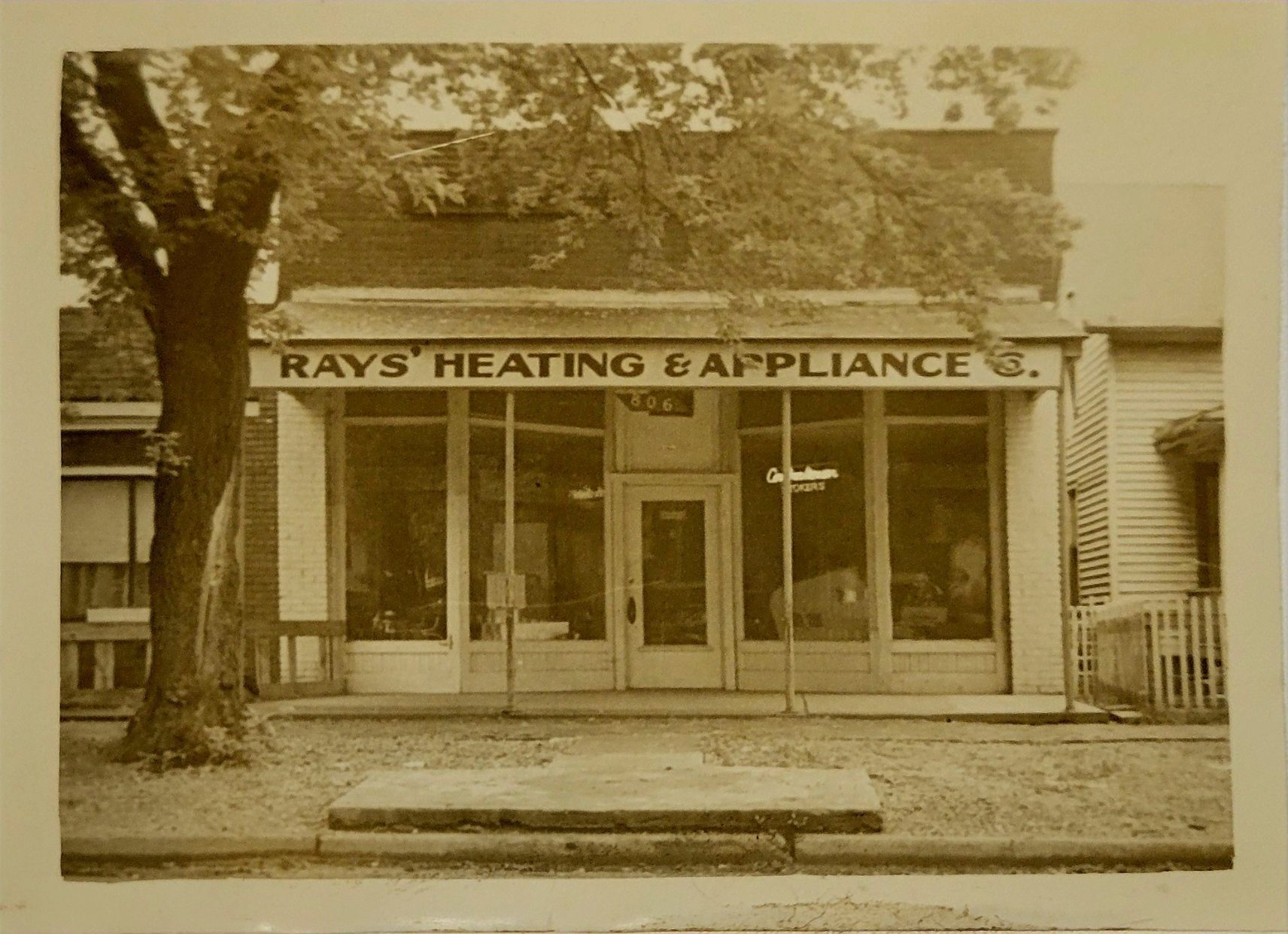
Ray’s Heating & Cooling has been part of the Champaign-Urbana community for over 80 years. For us, this isn’t just where we work—it’s home.
My family moved here in 1994 when I was 6 months old, and not long after, my dad, Bill, started working at Ray’s Heating & Cooling. Dan began working here when he was just 15, and I joined at 17. In 2013, my dad bought the business from Pat Dill, and today, Dan and I are proud to carry it forward together.
We grew up here. We've walked these streets, gone to these schools, and built our families here. The people we serve aren’t just our customers—they’re our friends, neighbors, and sometimes even family. Our guiding values are simple:
- Take care of our neighbors
- Do work we can be proud of
- Be fair, be honest, and listen
- Always treat others the way we would want to be treated
We’re raising our families here, just like many of you. This is our home. You are our neighbors. And taking care of each other is what we believe in most. Our family keeps your family comfortable. Contact us to learn more.